
7 Things Most Homeowners Don’t Know About Roof Installation
Roof installation is one of those projects most homeowners don’t think about until it becomes unavoidable. It’s easy to assume it’s just about putting new shingles on top of your home, but there’s a lot more happening behind the scenes. The decisions made during installation can impact everything from energy efficiency to long-term maintenance costs, which is why understanding the process matters more than most people realize.
When you start looking closer, roofing becomes less about materials and more about strategy. From ventilation and insulation to contractor selection and hidden costs, each piece plays a role in how well your roof performs over time. Knowing what to expect helps you avoid surprises, ask better questions, and make smarter decisions that protect both your home and your investment. It also gives you more control over the outcome, which can make the entire process feel far less overwhelming. Taking the time to understand these basics early can also help you communicate more effectively with contractors.
1. Understanding The Materials for Choosing and Comparing Options
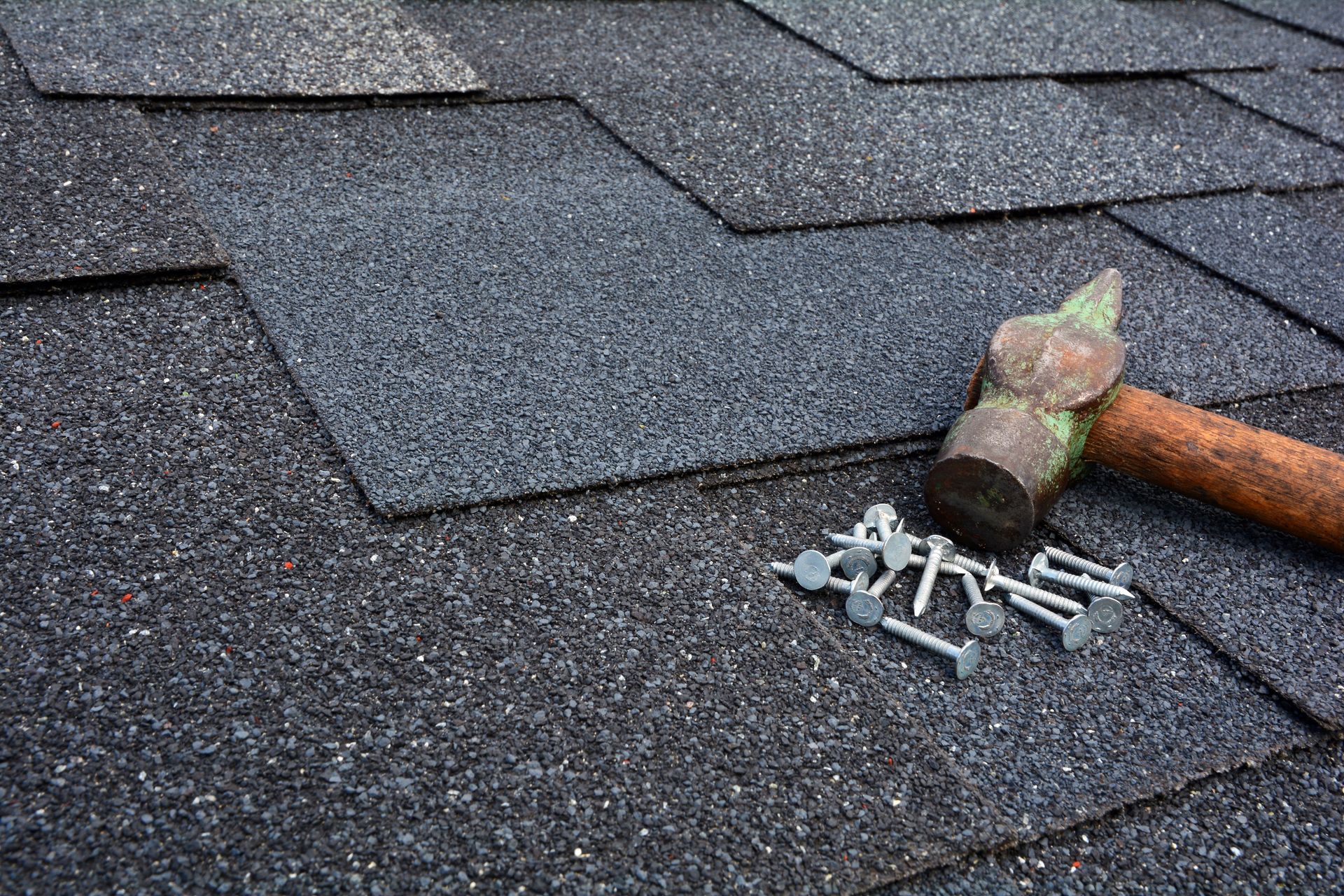
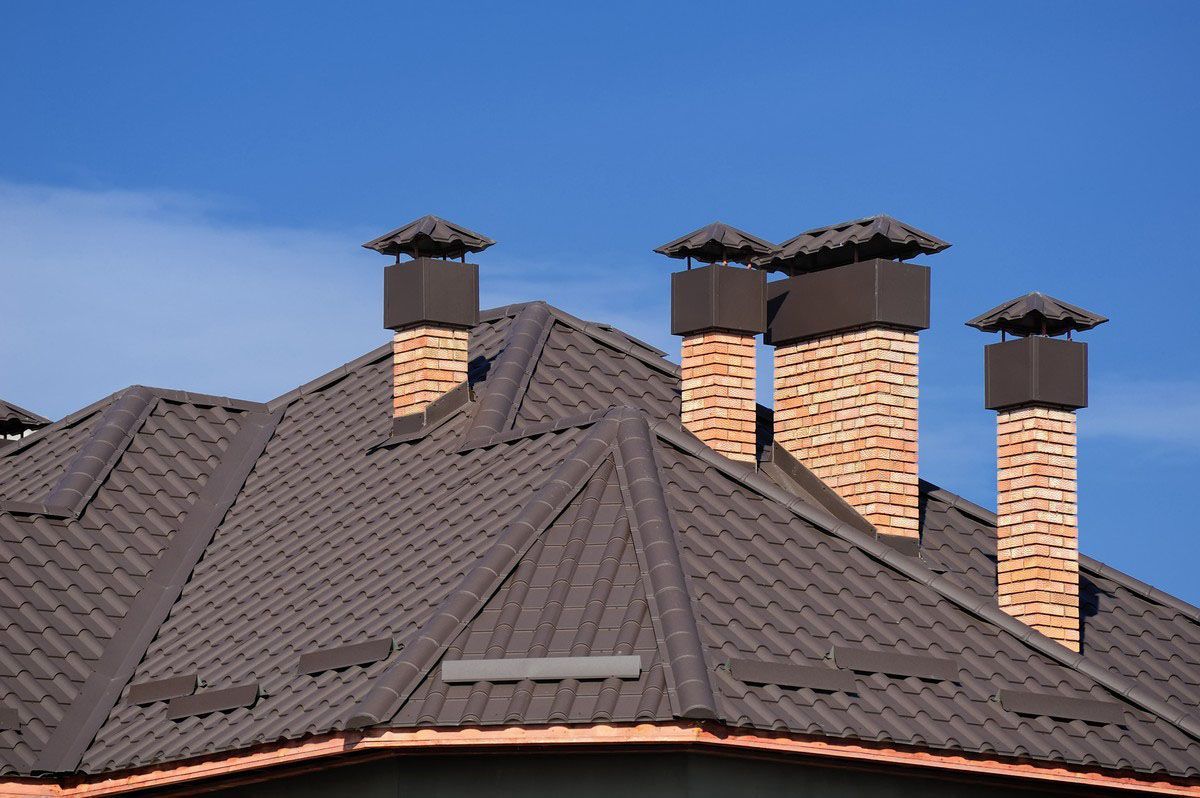
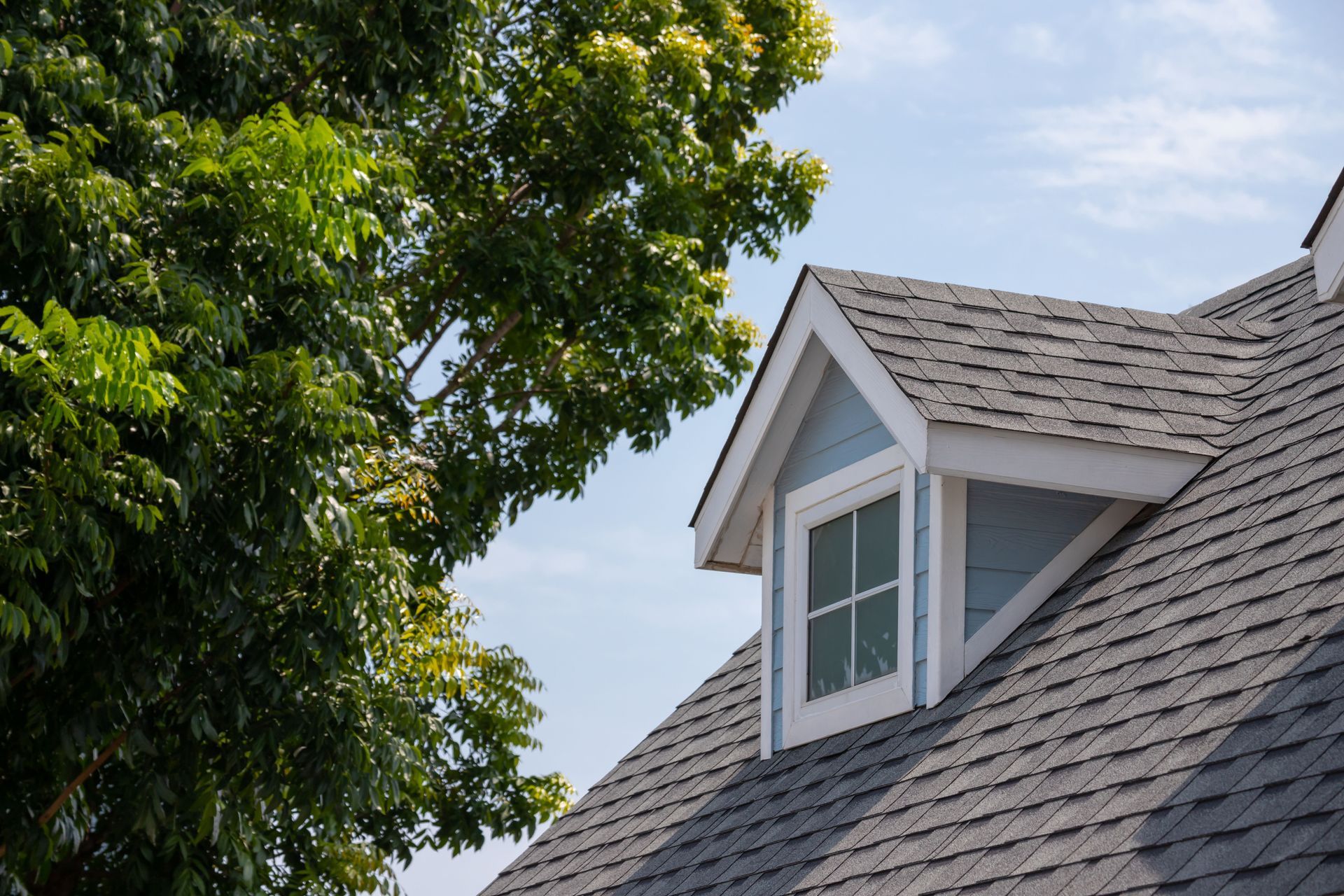
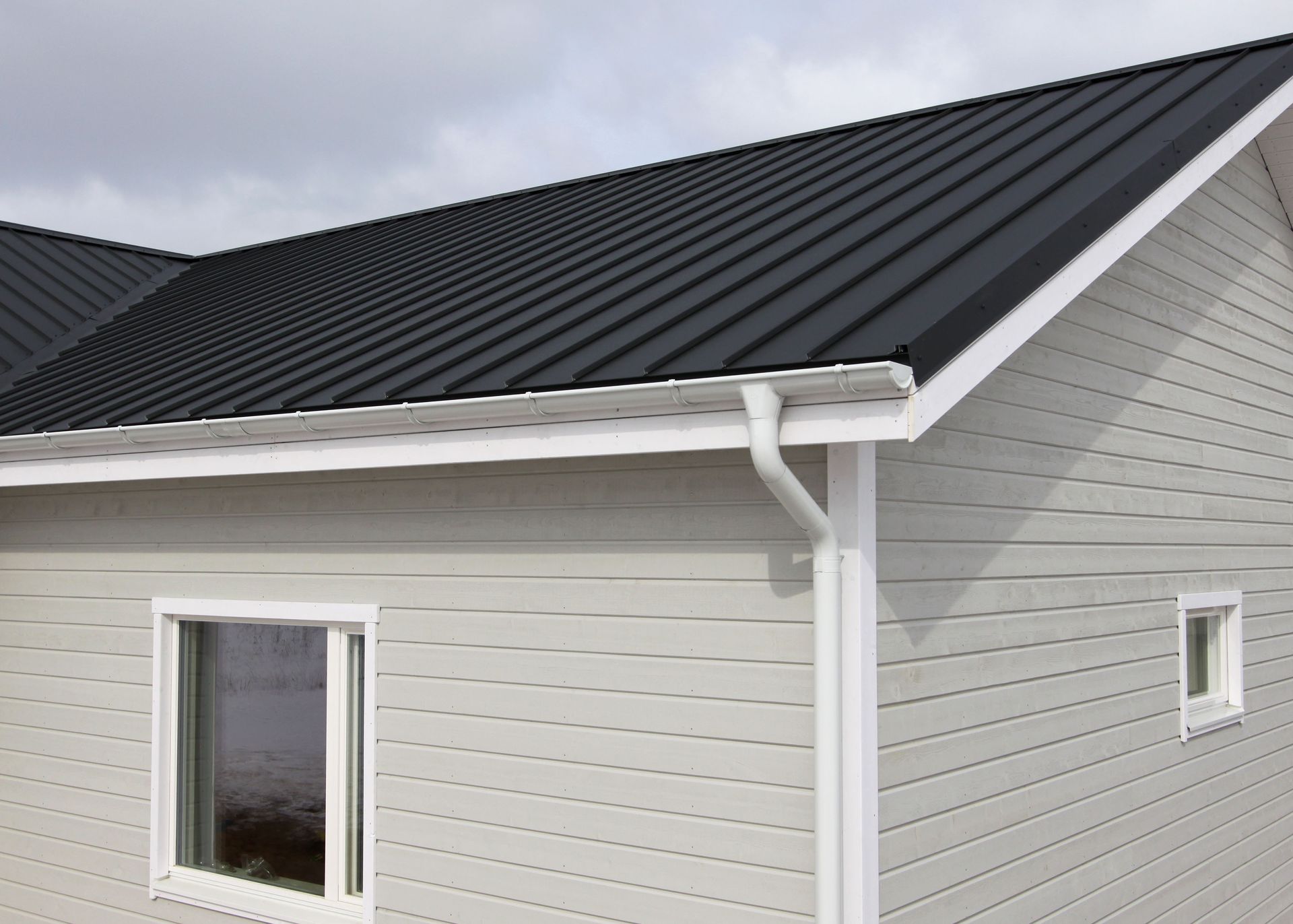
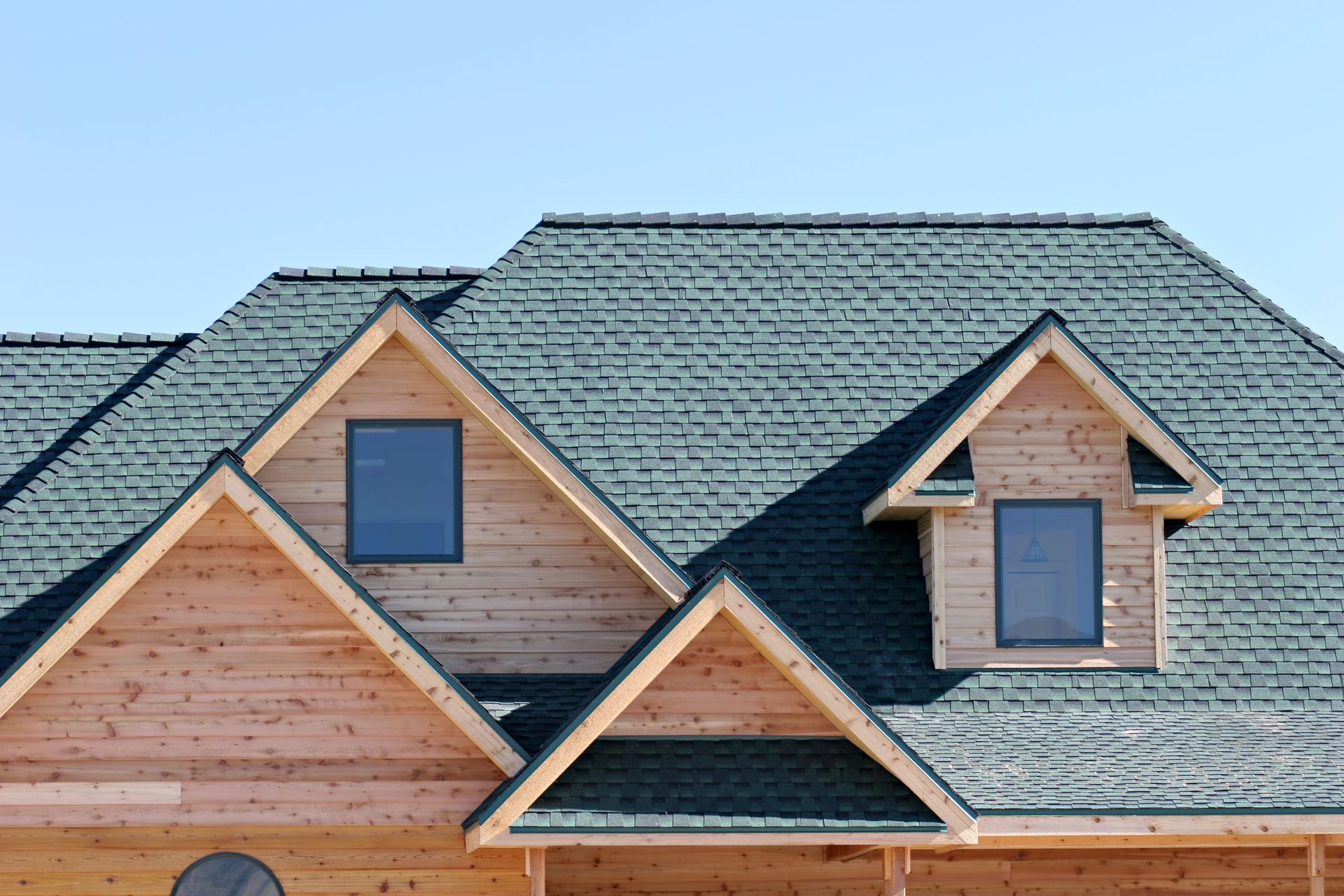
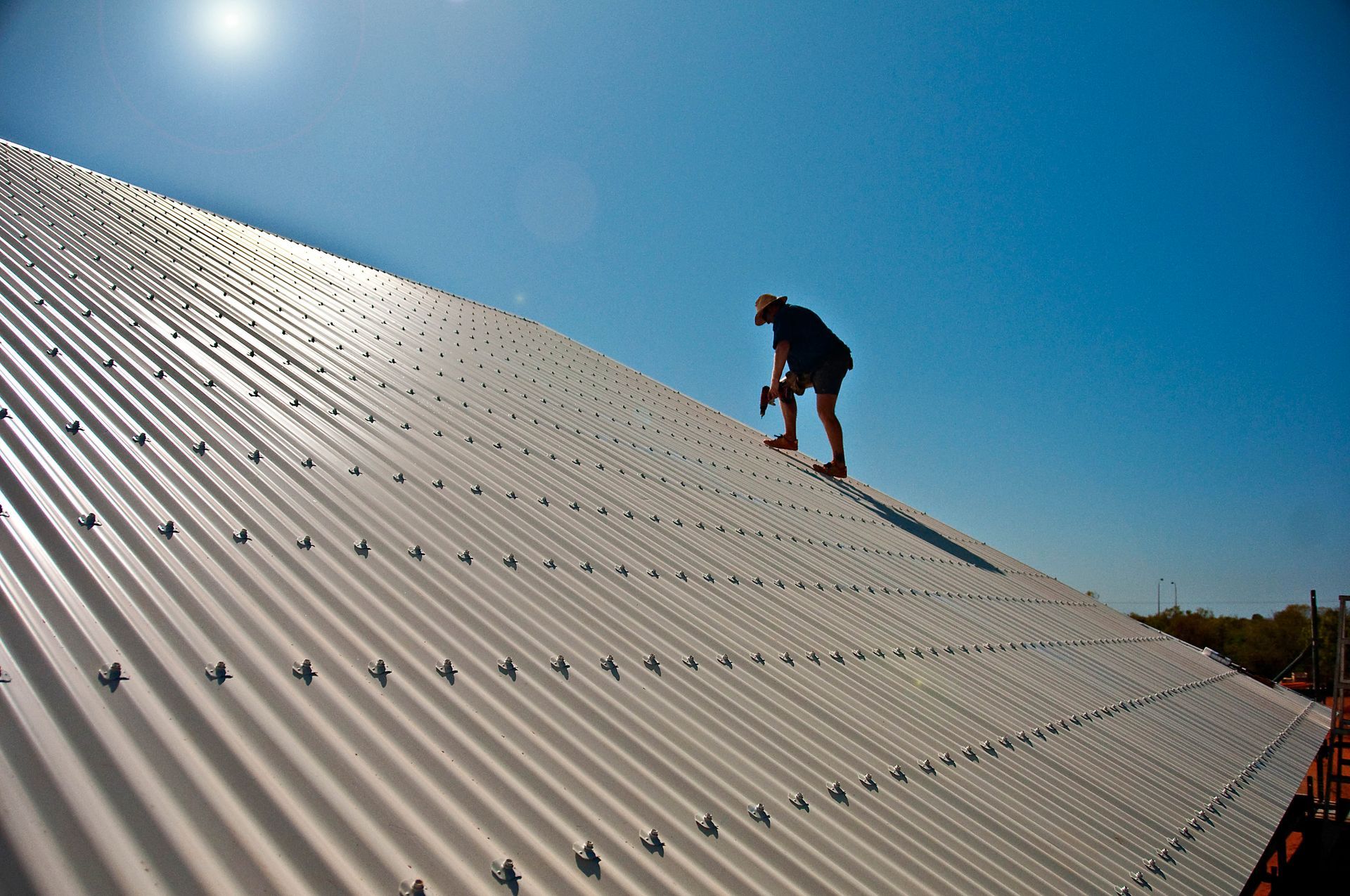
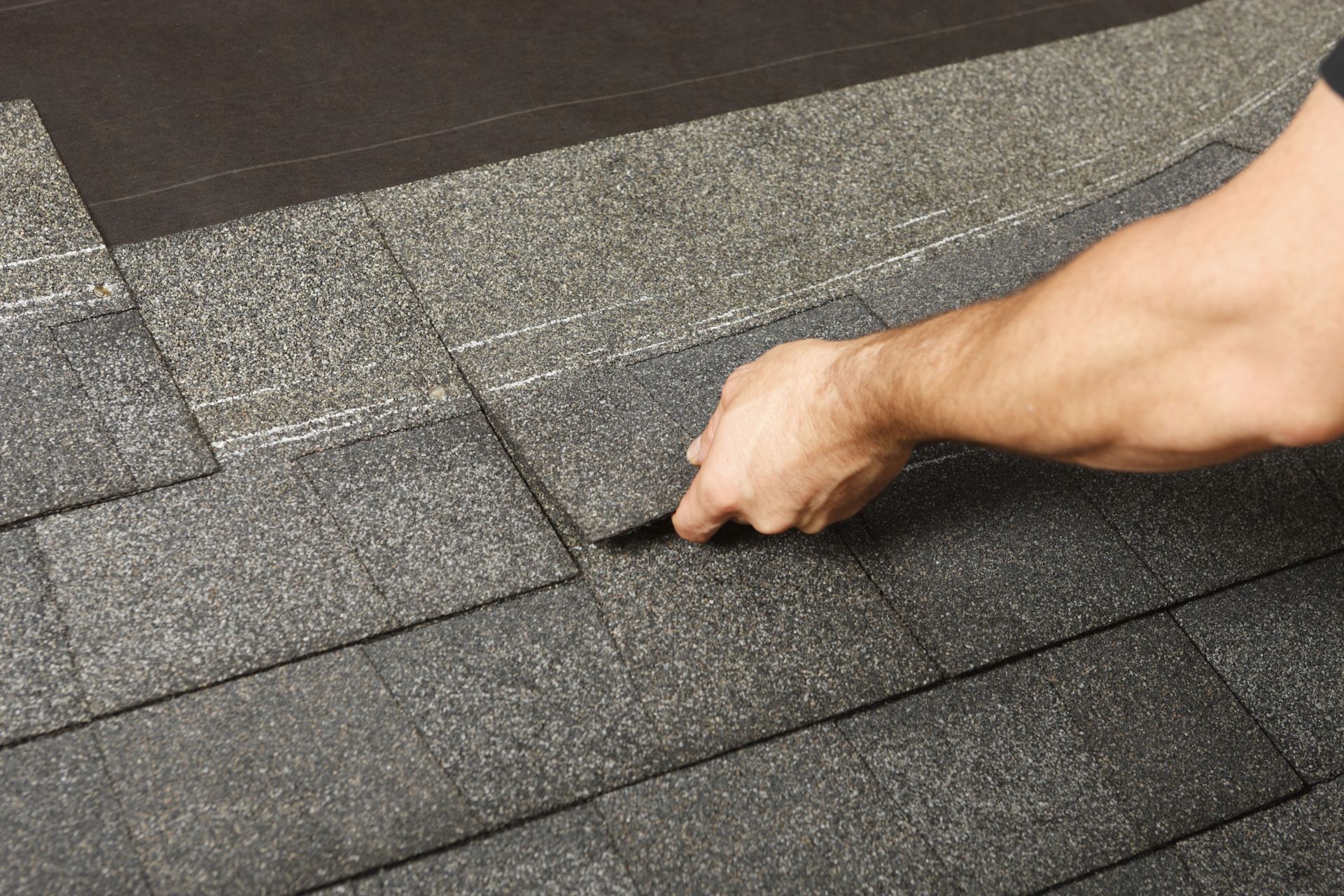
One of the first things homeowners underestimate is how many roofing materials are actually available. Asphalt shingles are the most common, but options like metal, slate, and composite materials are becoming more popular for their durability and design flexibility. Each material comes with its own lifespan, maintenance requirements, and cost structure, which means there isn’t a one-size-fits-all solution.
The key is understanding how those materials perform in real-world conditions. Some handle heat better, while others are built to withstand heavy storms or snow. When roofing is selected with your climate in mind, it tends to last longer and perform more efficiently. Taking time to compare materials upfront can prevent premature repairs and help you get the most out of your investment. It also allows you to balance appearance with performance, which is often overlooked during the selection process.
2. Evaluating The Costs for Planning and Budgeting Properly
Most homeowners focus on the upfront cost of a roof installation, but that’s only part of the picture. There are often additional expenses that come up during the process, such as removing old materials, repairing underlying structures, or upgrading ventilation systems. These costs can add up quickly if they’re not accounted for early on.
Long-term value is where the conversation shifts. Higher-quality materials may cost more initially, but they typically require fewer repairs and last longer. Roofing decisions should be evaluated over years, not just at the point of installation. Planning your budget with both immediate and future costs in mind helps you avoid financial surprises and ensures a more stable investment. It also gives you a clearer understanding of what you’re really paying for beyond the surface-level estimate. This broader perspective often leads to better decision-making and fewer compromises.
3. Improving The Ventilation for Preventing Heat and Moisture Buildup
Ventilation is one of the most overlooked parts of roof installation, yet it plays a major role in performance. Without proper airflow, heat and moisture can build up in your attic, leading to mold, higher energy bills, and even structural damage over time. It’s not something you see, but you definitely feel the effects if it’s done incorrectly.
A well-designed ventilation system allows air to move freely, helping regulate temperature and reduce strain on your HVAC system. This makes your home more comfortable year-round and extends the life of your roof. Good roofing isn’t just about what’s on top—it’s also about what’s happening underneath. Addressing ventilation early can prevent long-term issues that are far more expensive to fix later. It also contributes to a healthier indoor environment for your household.
4. Enhancing The Insulation for Increasing Efficiency and Comfort
Insulation works hand-in-hand with ventilation, yet it’s often treated as a separate concern. In reality, the two need to function together to keep your home energy efficient. Poor insulation can cause heat loss in the winter and heat gain in the summer, which drives up energy costs and creates uneven temperatures throughout the house.
Upgrading insulation during a roof installation is one of the smartest moves homeowners can make. It’s easier to address when the roof is already being worked on, and it delivers long-term benefits in both comfort and cost savings. Roofing projects provide a unique opportunity to improve how your entire home performs, not just its exterior. Making these improvements early helps you avoid revisiting the same issues later. Over time, these upgrades can significantly reduce your overall energy consumption.
5. Identifying The Hidden Factors for Avoiding Surprises and Delays
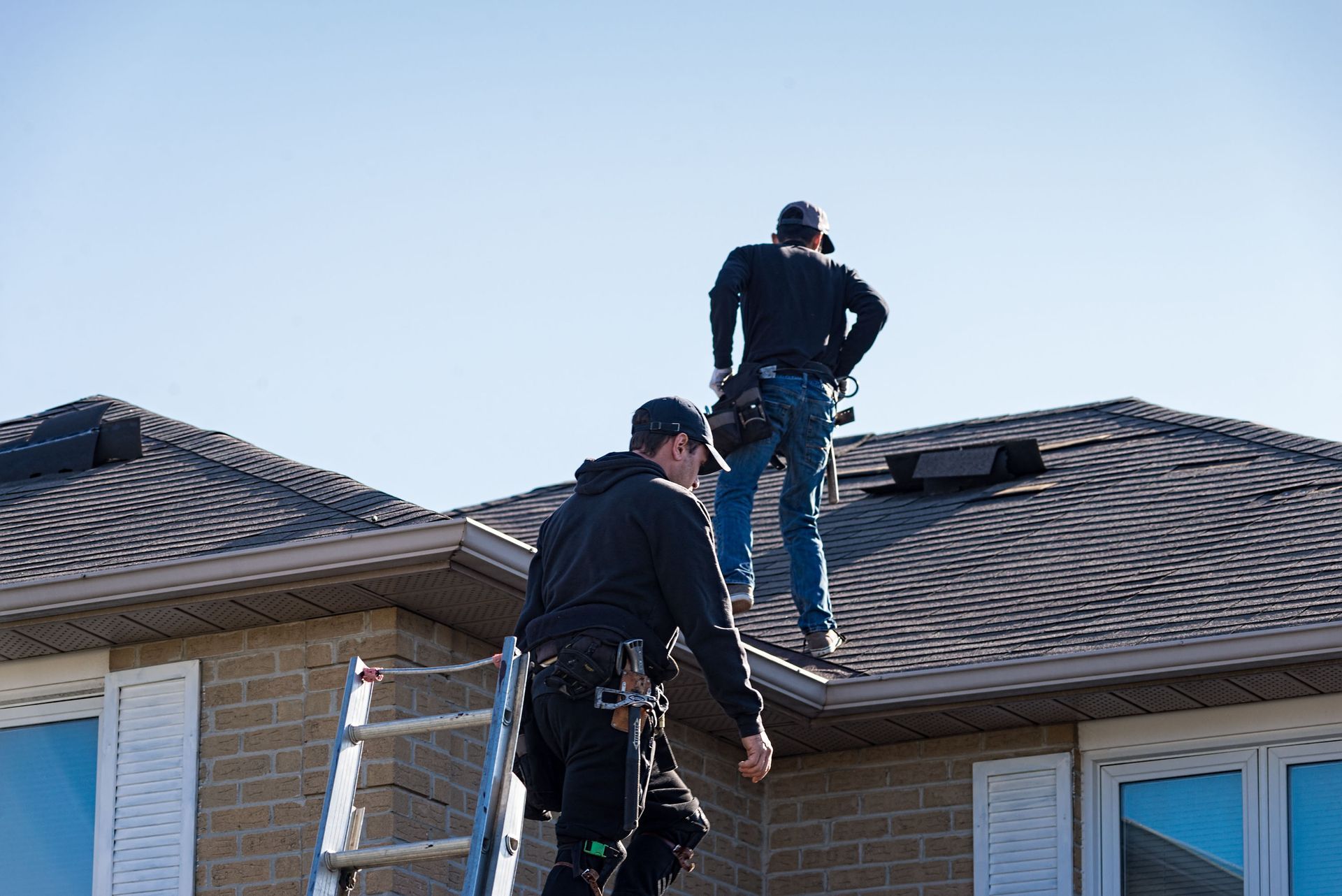
Even the most straightforward roofing project can uncover unexpected issues. Things like water damage, rotting wood, or outdated structures aren’t always visible until the old roof is removed. These hidden factors can affect timelines and budgets if they aren’t anticipated.
Being prepared for the unexpected makes the process much smoother. Working with experienced professionals helps identify potential problems early and address them before they escalate. Roofing projects tend to go more smoothly when homeowners understand that a few surprises are normal and plan accordingly. This mindset helps reduce stress and keeps the project moving forward without unnecessary setbacks. It also allows for quicker decision-making if changes are needed mid-project.
6. Selecting The Contractor for Ensuring Quality and Reliability
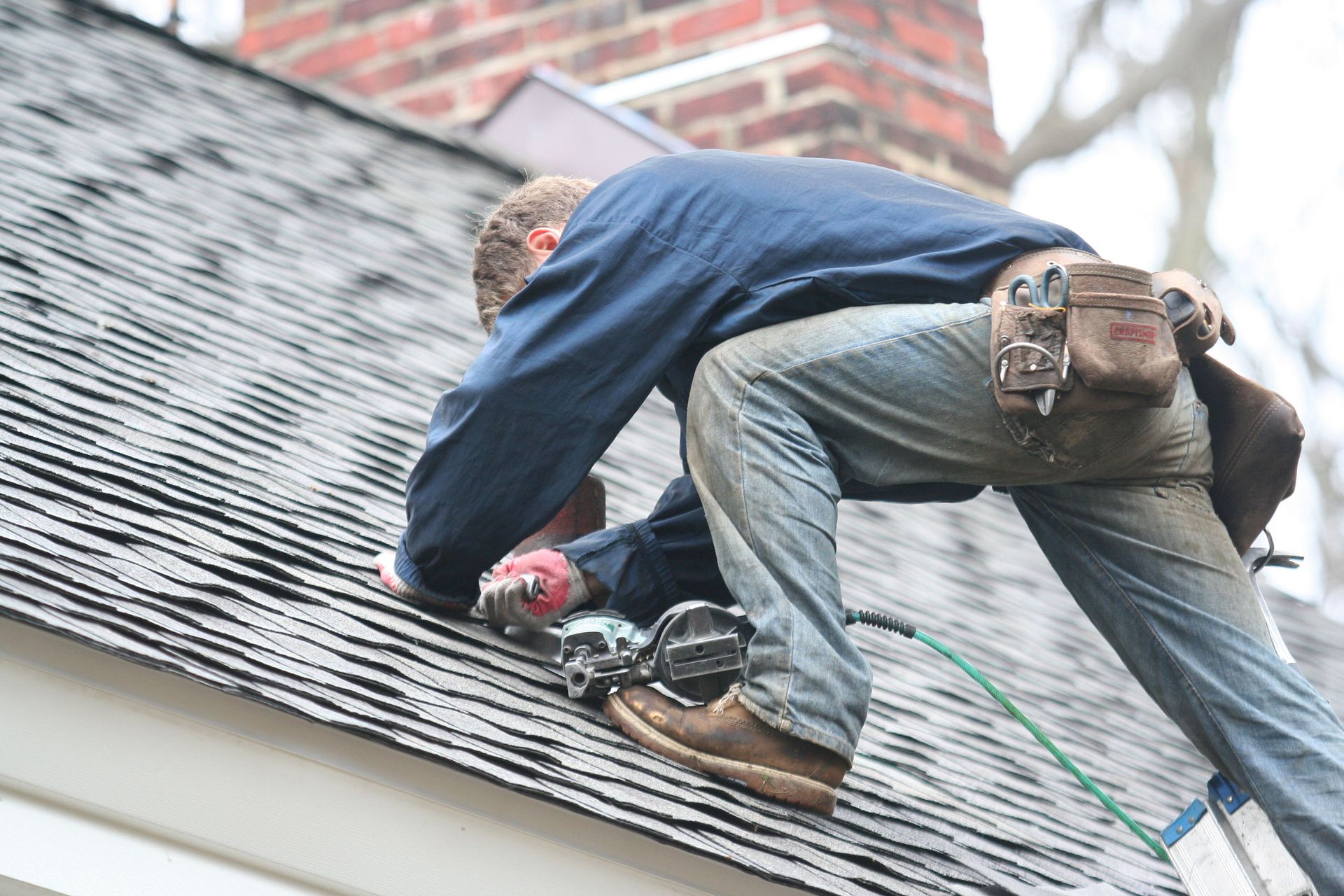
Choosing the right contractor can make or break your roof installation experience. It’s not just about finding someone who can do the job—it’s about working with a team that communicates clearly, follows best practices, and stands behind their work. A reliable contractor will walk you through the process and help you make informed decisions.
It’s important to ask questions, review past work, and understand what’s included in your contract. Quality roofing depends heavily on proper installation, so cutting corners here can lead to bigger problems later. Taking the time to vet your contractor is one of the most important steps in the entire process. A strong partnership with the right contractor can make the experience far more efficient and predictable. It also ensures accountability throughout each stage of the project.
7. Recognizing The Value for Protecting Investment and Resale Appeal
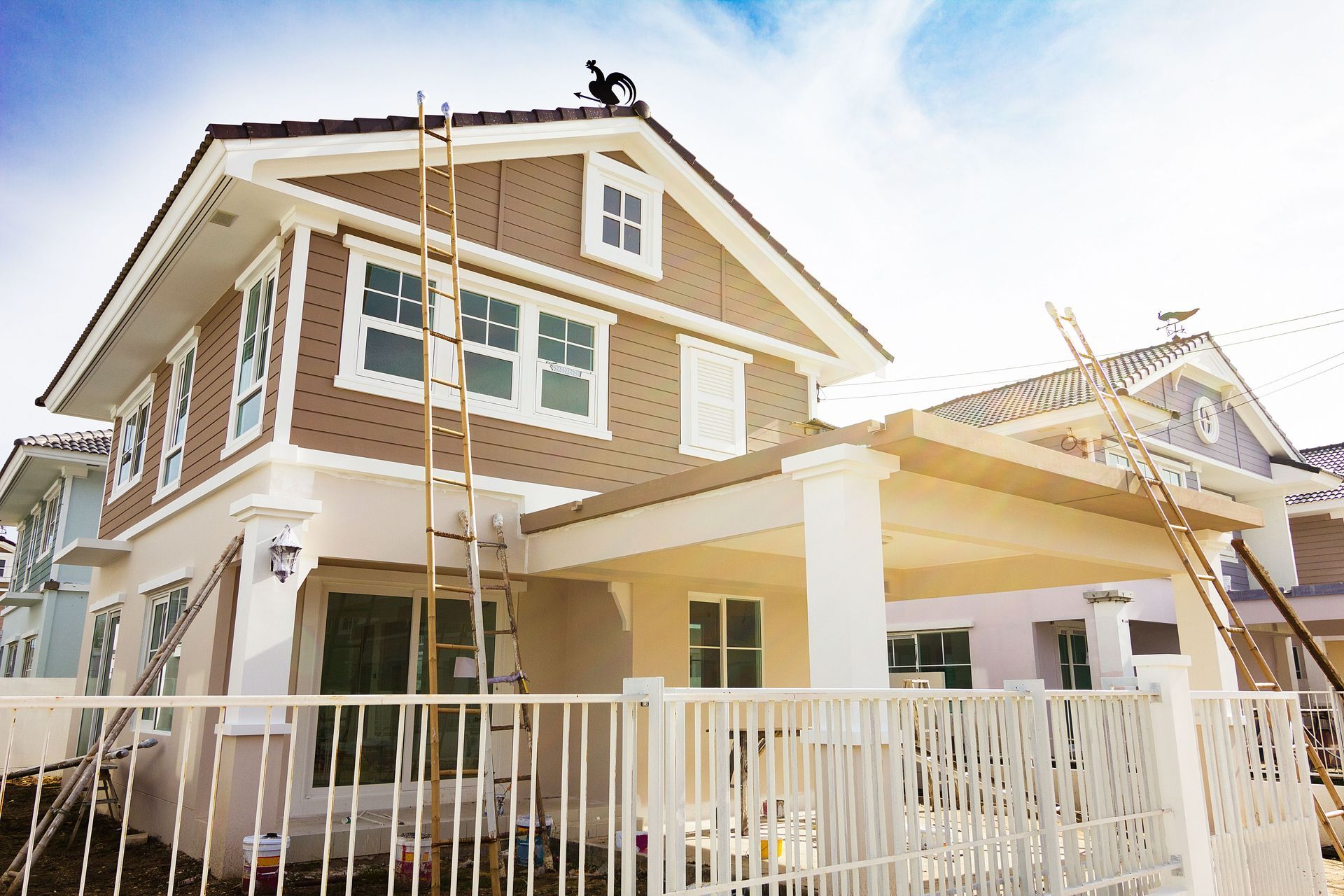
A new roof isn’t just a repair—it’s an investment in your home. Many homeowners don’t realize how much value it can add, especially when it’s installed correctly and built to last. Beyond protection, a well-installed roof improves curb appeal and can make a strong impression on potential buyers.
Research supports this long-term value. Data suggests that, according to Home 365, homeowners can recover a significant portion of their roof replacement costs—often around 85 percent or more—when selling their home. That makes roofing one of the more practical upgrades when you’re thinking about both current comfort and future resale potential. It’s a reminder that the benefits extend well beyond immediate protection. In many cases, it can also help your home stand out in a competitive market.
Roof installation involves more than most homeowners expect, but understanding the process makes a big difference. From materials and ventilation to contractor selection and hidden costs, each element contributes to how well your roof performs over time. When these factors are handled correctly, you end up with a system that protects your home, improves efficiency, and supports long-term value.
Taking a more informed approach to roofing helps you avoid common pitfalls and make decisions with confidence. A well-planned installation also reduces future maintenance demands and unexpected repairs. It can even improve overall home performance in ways that aren’t immediately visible but are felt over time. If you’re planning a roof installation or want expert guidance, reach out to Trinity Exteriors LLC to get the support you need for a durable and reliable result.







Share On: