
How Much Value Does a New Roof Actually Add?
A new roof does more than protect a home from the elements. It can improve curb appeal, increase energy efficiency, and make a property more attractive to potential buyers. For homeowners considering a replacement, understanding how much value this investment adds can help determine whether the project makes financial sense. Professional roofing services can help homeowners evaluate their options based on roofing materials, local real estate conditions, and the property's overall condition.
Understanding the Financial Impact of a New Roof
Comparing Replacement Costs With Resale Value
One of the biggest considerations when replacing a roof is how much of the initial investment homeowners can recover when selling. According to Home Advisor, swapping out an aging roof can lift home value by as much as 15% and may return 20% to 50% of the project cost when you sell. Although homeowners may not recover the entire installation cost, investing in professional roofing services can make a listing more competitive and give buyers greater confidence in the property's condition.
Evaluating ROI Across Different Markets
Return on investment varies depending on local housing conditions. In competitive markets, buyers may be willing to pay more for homes that have already undergone major improvements. In slower markets, the financial return might be smaller, but a new roof can still help a property stand out. Understanding neighborhood home values and buyer expectations can help homeowners determine whether a replacement is worthwhile.
Choosing Materials That Support Property Value
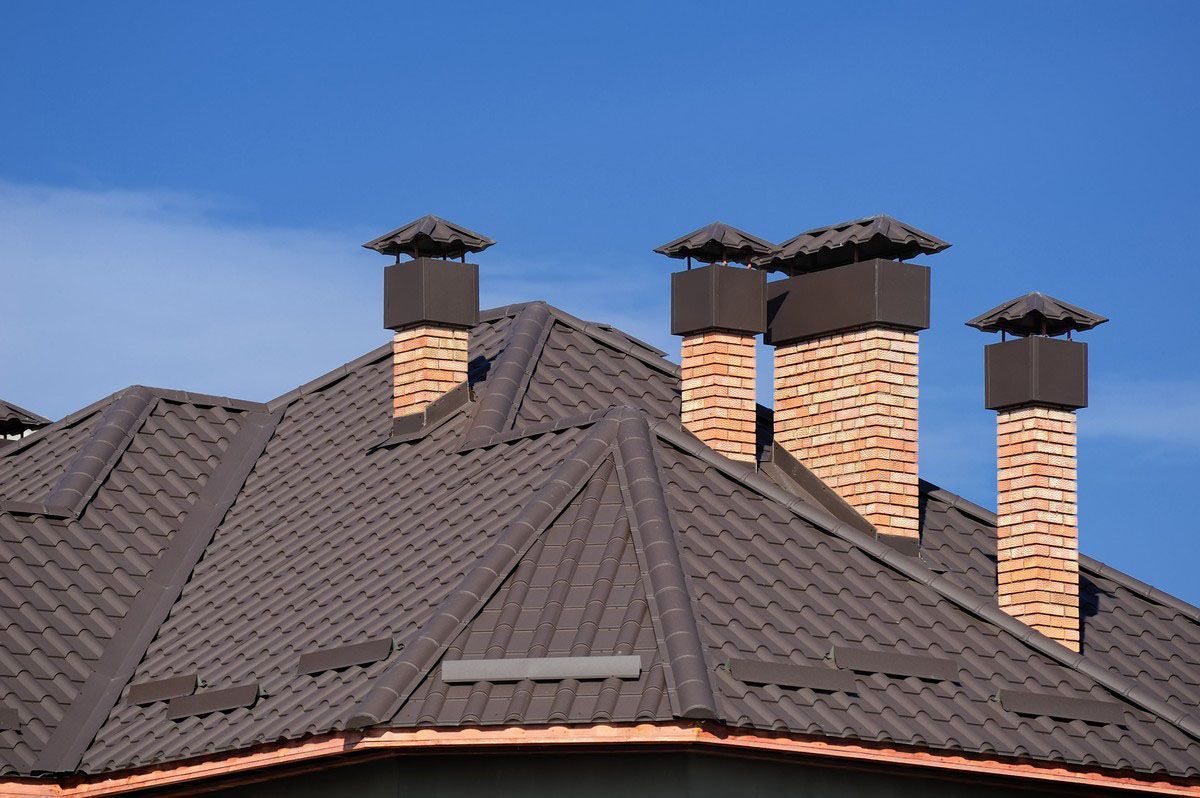
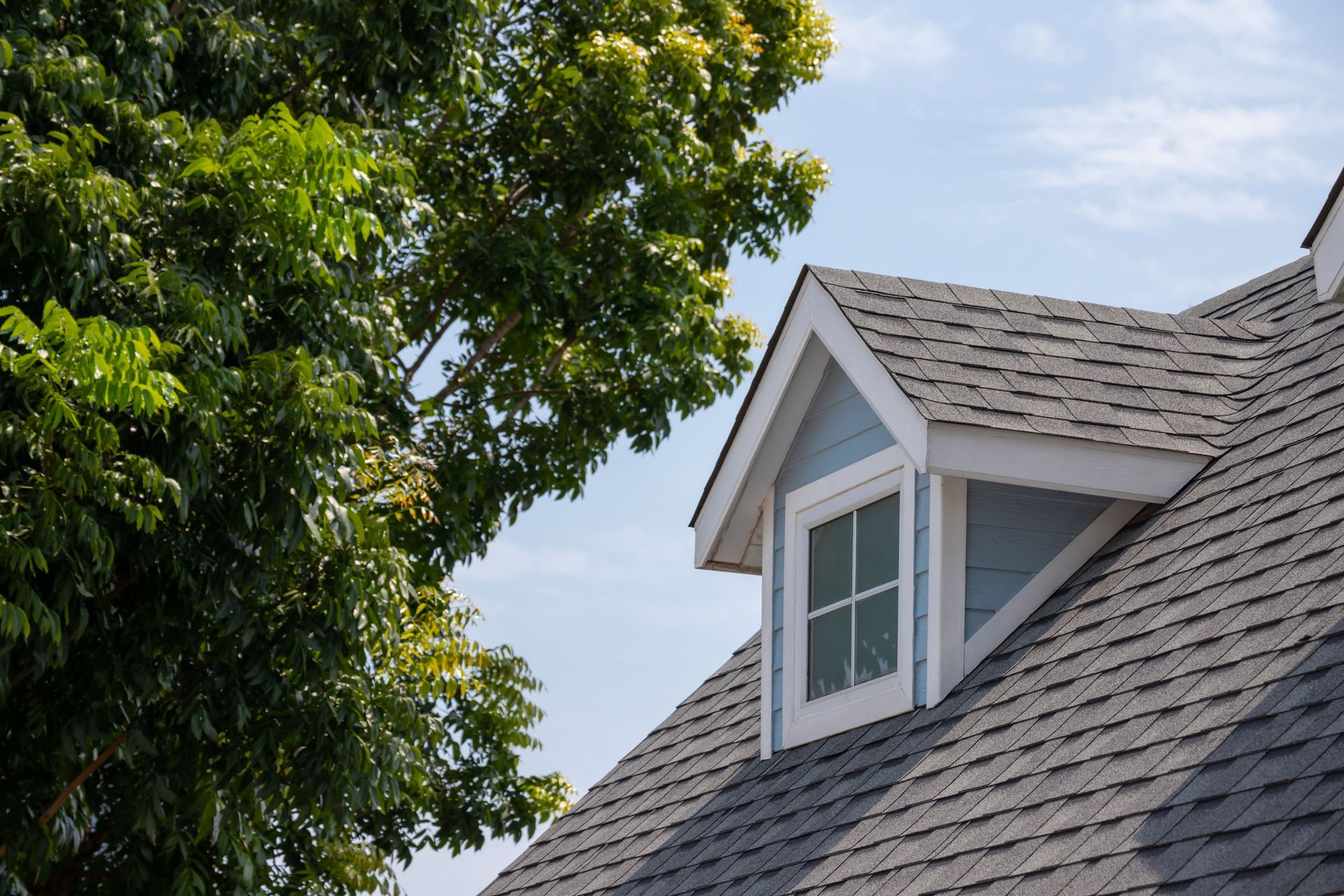
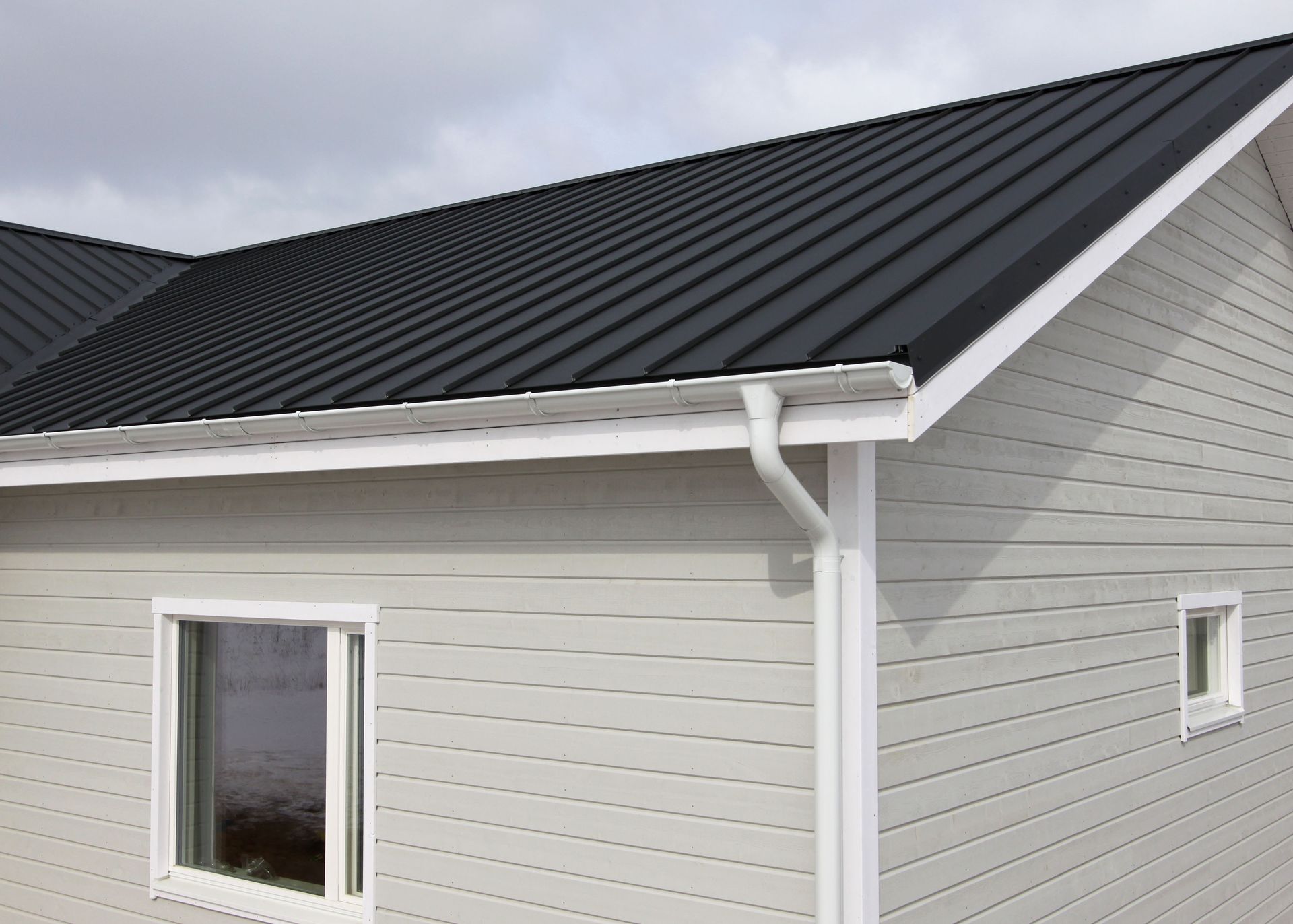
Roofing materials influence both installation expenses and long-term value. Metal and slate offer durability and distinctive appearances, but their higher upfront costs may not produce the same return in every market. Asphalt shingles provide a more affordable alternative and remain a common residential choice. Professional roofing services can help homeowners compare materials based on their budgets, local climate, and neighborhood preferences.
Improving Curb Appeal and Exterior Appearance
Selecting Complementary Colors and Designs
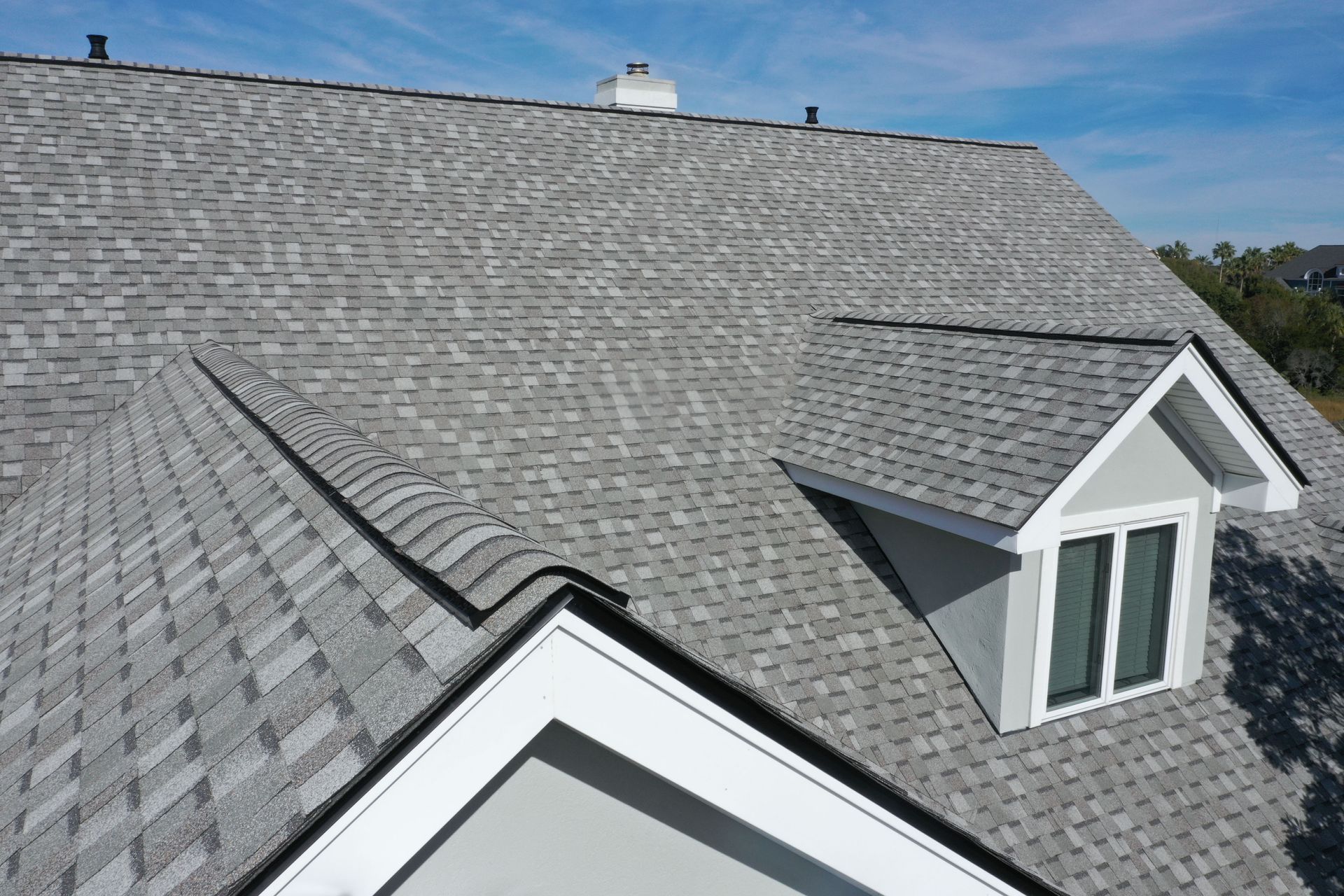
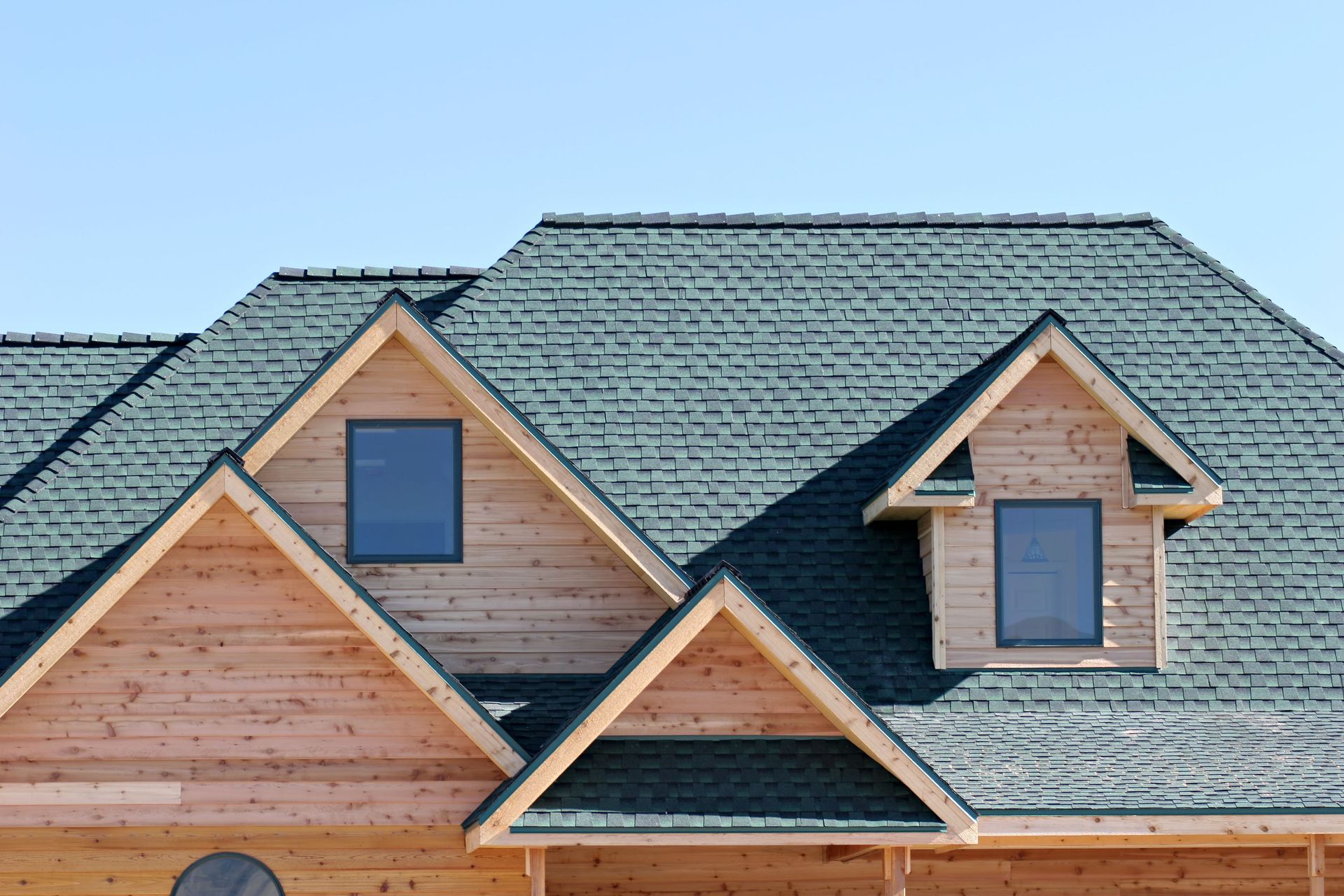
A roof covers a substantial portion of a home's exterior, making its appearance important to overall curb appeal. Choosing a color that coordinates with the siding, trim, and other architectural features creates a cohesive look. Homeowners should also consider neighborhood styles when selecting a design. A roof that complements the property can strengthen its visual appeal and marketability.
Creating a Positive First Impression
Potential buyers often form opinions about a property before stepping inside. An aging or visibly damaged roof can create concerns about maintenance and hidden problems. In contrast, an attractive replacement gives the exterior a refreshed appearance and suggests that the property has received attention. Quality roofing services can help homeowners achieve a finished appearance that encourages buyers to explore the property further.
Increasing Energy Efficiency and Indoor Comfort
Improving Insulation and Temperature Control
A properly installed roof contributes to the home's ability to maintain comfortable indoor temperatures. Modern materials and roofing assemblies can help limit unwanted heat transfer, reducing the strain on heating and cooling equipment. These improvements may lead to lower utility expenses while making the property more attractive to energy-conscious buyers.
Maintaining Proper Ventilation
Ventilation is another important component of an efficient roofing system. Adequate airflow helps regulate attic temperatures and manage moisture buildup. Without proper ventilation, trapped heat and humidity can contribute to premature material deterioration. Replacement roofing services provide an opportunity to evaluate existing ventilation and address problems that could affect performance.
Reducing Ongoing Utility Expenses
When insulation, ventilation, and roofing materials work together effectively, homeowners may experience lower heating and cooling costs. These savings can make a property more appealing to buyers who want predictable household expenses. Although energy improvements alone may not determine resale value, they contribute to the overall benefits of a modern roofing system.
Strengthening Structural Protection and Home Safety
Increasing Durability and Longevity
Modern roofing products are designed to provide reliable protection over extended periods. Depending on the material and maintenance requirements, some systems can last several decades. Replacing worn materials reduces concerns about recurring deterioration and gives homeowners greater confidence in the property's condition. Buyers may appreciate knowing that a major exterior component will not require immediate attention.
Improving Resistance to Severe Weather
Heavy rain, strong winds, hail, and snow can gradually compromise an aging roof. New materials offer different levels of weather resistance, allowing homeowners to select products suited to regional conditions. Proper installation is equally important because even high-quality materials may perform poorly when installed incorrectly. Reliable weather protection can be a meaningful selling point in areas that experience frequent storms.
Considering Safety and Insurance Benefits
Certain metal, tile, and specially rated shingle products offer increased resistance to fire or impact damage. These characteristics may be especially valuable in regions with elevated wildfire or severe weather risks. Additionally, some insurance providers offer discounts for qualifying impact-resistant or recently installed roofing systems. Homeowners should check with their insurers to determine whether a replacement could affect their premiums.
Making the Property More Competitive in the Housing Market
Supporting Stronger Negotiations and Faster Sales
A new roof can make negotiations easier by addressing one of the major concerns buyers may have about an older property. Prospective homeowners often consider the cost of immediate repairs when deciding how much to offer. When the roof has already been replaced, buyers have fewer major expenses to anticipate. This can reduce requests for repair credits and help sellers negotiate more confidently.
Standing Out Against Comparable Properties
When buyers compare similar homes, the condition of major exterior features can influence their decisions. A property with a recently replaced roof may appear more move-in ready than one requiring significant maintenance. This distinction can help sellers attract attention and justify their asking price, particularly when competing listings have visible signs of deterioration.
Weighing the Costs and Potential Drawbacks
Planning for Initial Replacement Expenses
Installing a new roof requires a significant financial commitment. Material prices, labor, permits, and project complexity all affect the final cost. Homeowners should obtain detailed estimates and compare suitable materials before making a decision. Comparing estimates from providers of professional roofing services can help establish a realistic budget.
Avoiding Unnecessary Overinvestment
Not every property benefits from an expensive roofing upgrade. Installing premium materials in a neighborhood where buyers prioritize affordability may make it difficult to recover the additional expense. Homeowners should evaluate comparable properties and local market expectations before choosing an elaborate system. The goal should be to improve the home's condition without investing significantly beyond what the market supports.
Choosing the Right Time for Replacement
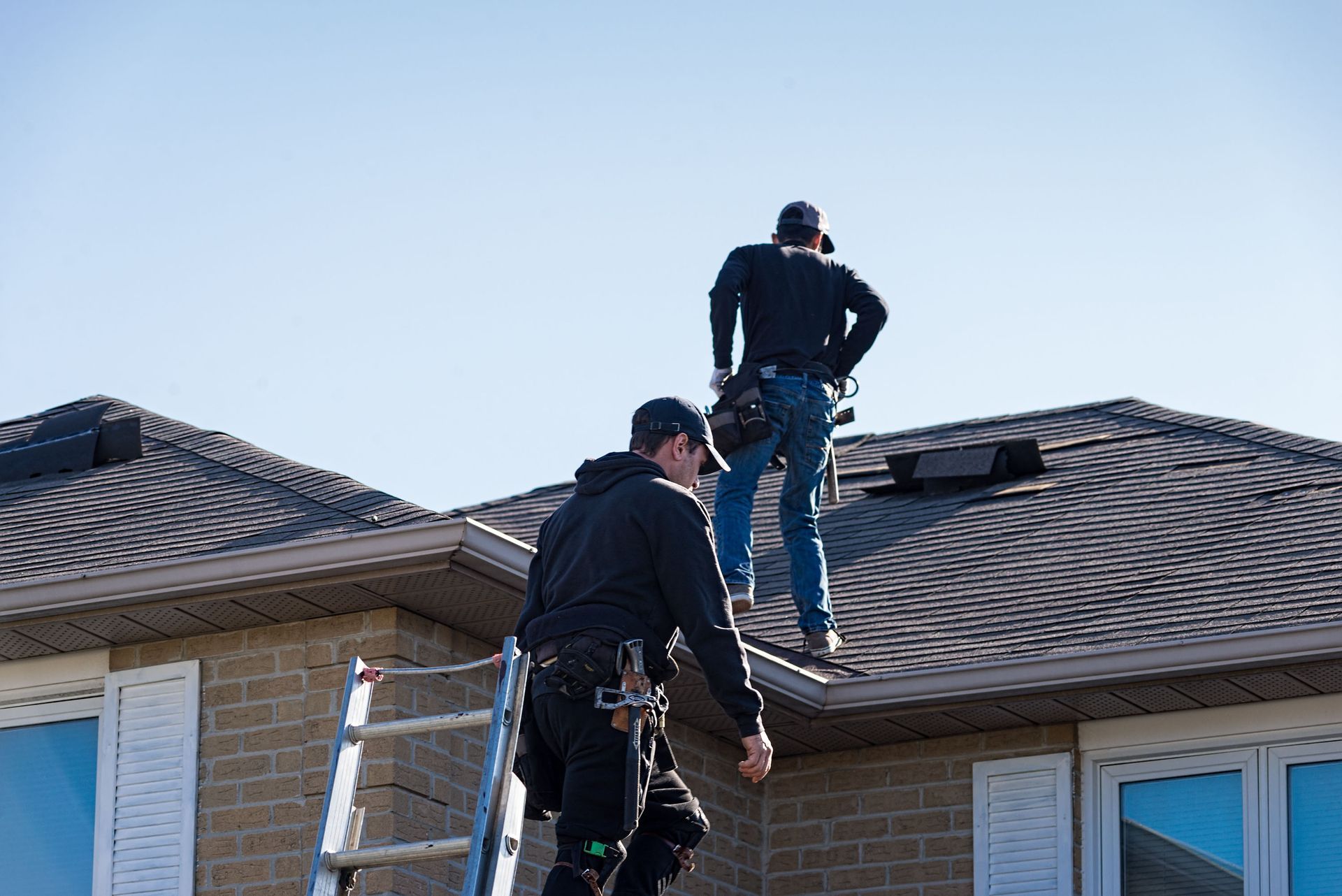
Waiting too long to replace a deteriorating roof can expose the home to leaks, moisture damage, and additional repair expenses. However, replacing a roof that still has substantial service life may not provide an immediate financial advantage. Homeowners should consider its age, visible condition, repair history, and selling plans when determining the right time for an upgrade.
Maximizing the Value of a New Roof
A new roof can contribute meaningful value through improved curb appeal, energy efficiency, structural protection, and stronger marketability. However, the actual return depends on the home's location, selected materials, installation quality, and current real estate conditions. Homeowners who approach replacement as both a protective improvement and a long-term investment are better positioned to make decisions that support their property's value.
Whether preparing to sell or planning to remain in a home for years, choosing the right roofing system can make a lasting difference. For professional roofing services, homeowners can contact Trinity Exteriors LLC to discuss their property's needs and explore roofing solutions that support its appearance, protection, and long-term value.




Share On: